
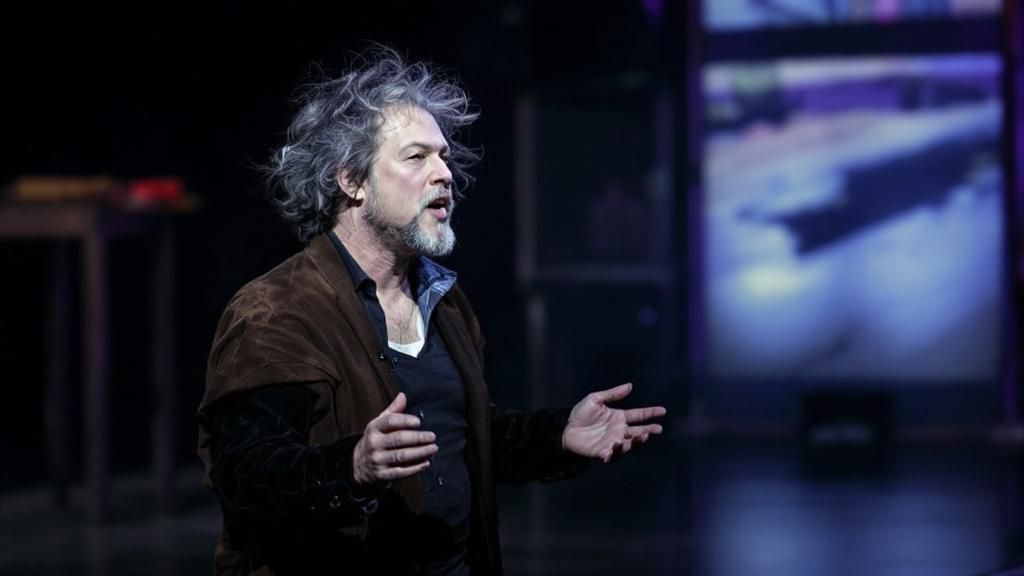
The National Theatre has introduced an ambitious new programme designed to expand engagement with classical drama across the United Kingdom. This groundbreaking initiative promises to bring internationally acclaimed stage productions to audiences far outside London’s West End, guaranteeing that audiences in remote and disadvantaged regions can encounter Shakespeare, Chekhov, and current renderings of timeless classics. Through inventive travelling productions, virtual mediums, and collaborative partnerships, the theatre is significantly transforming how Britain interacts with dramatic literature, rendering excellent productions an right rather than a privilege.
Bringing Theatre to Everyone to Premier Theatre Productions
The National Theatre’s programme represents a significant transformation in how classical drama reaches viewers across the Britain. By eliminating distance limitations and cost barriers, the scheme ensures that communities in rural areas and financially struggling communities can access productions traditionally limited to London’s elite venues. This commitment to inclusivity demonstrates a core conviction that dramatic quality should not be determined by postcode or spending power, but rather allocated equally among all citizens regardless of their situations.
Through collaborative alliances with theatre companies across regions, schools and universities, and arts bodies in local areas, the National Theatre is developing sustainable channels for access to classical works. The scheme covers touring productions, affordable ticket initiatives, and community-led adaptations that foster local engagement and cultural ownership. By developing these collaborative ties, the theatre moves away from a single London-based organisation into a dispersed system of cultural excellence, ensuring that the life-changing influence of dramatic art becomes genuinely accessible to theatre-goers across the country.
Digital Innovation and Local Collaborations
The National Theatre’s strategy hinges upon state-of-the-art technology to broaden its audience nationwide. By harnessing digital platforms and digital theatre experiences, the institution enables simultaneous access to theatrical works for audiences unable to attend in-person. This digital framework makes culture more accessible, enabling audiences from Cornwall to the Scottish Highlands to enjoy high-quality theatre from their local areas. The initiative also features immersive digital content, instructional content, and behind-the-scenes content, deepening the theatre experience beyond traditional stage productions and building stronger connections with traditional theatrical works.
Equally noteworthy are the collaborative relationships established with regional theatres, local councils, and community organisations within the United Kingdom. These collaborations guarantee productions appeal to varied audience groups whilst supporting grassroots cultural infrastructure. The National Theatre delivers funding, expertise, and artistic direction to collaborative venues, building sustainable cultural ecosystems in regions with limited provision. By collaborating with regional bodies rather than applying London-based criteria, the initiative honours community character whilst maintaining artistic standards. This collaborative framework transforms classical drama into a truly national undertaking, establishing theatrical culture within communities and establishing permanent cultural impact.
Effects and Forward-Looking Strategy
The initiative’s influence reaches well beyond mere attendance figures, substantially reshaping cultural participation nationwide. Theatre organisations across regions reveal unprecedented engagement levels, with audiences uncovering newfound appreciation for classic productions previously deemed difficult to access. Areas that traditionally lacked theatre facilities now access stage performances, educational programmes, and behind-the-scenes insights. This democratization develops a increasingly inclusive cultural sphere, encouraging younger generations to participate in theatrical works as a key element of their education and personal development.
Looking ahead, the National Theatre envisions ongoing growth of this pioneering programme throughout the coming decade. Strategic investments in digital technology are set to broaden reach, facilitating concurrent transmissions and immediate viewing to recorded performances. Partnerships with schools and universities will embed period plays within classroom teaching, nurturing sustained enthusiasm for stage performance. The programme represents a significant milestone, establishing the concept that remarkable dramatic performances represent a basic cultural entitlement rather than an exclusive London-based privilege.
As this transformative initiative keeps developing, its success hinges on ongoing financial support, community engagement, and collaborative partnerships. The National Theatre continues to be focused on measuring impact through viewer input, visitor numbers, and pedagogical achievements, maintaining transparency and ongoing development. This innovative scheme represents a profound shift in British cultural values, demonstrating that traditional theatre is accessible to everyone.
